
"chicory root"
90 article(s) found

Fine Coffee Science explains in detail several "what is" in coffee?
What is caffeine? Caffeine is a substance found in the leaves, roots and fruits of 100 plants in nature. it is also a mixture of methylxanthine. Caffeine usually comes from coffee, dimethoate and tea. Caffeine is also used in energy drinks and drugs to treat colds and flu. Coffee and tea also contain other dimethylxanthine theophylline. Tea
The basics of fine coffee do you know what caffeine is?
What is caffeine? Caffeine is a substance found in the leaves, roots and fruits of 100 plants in nature. it is also a mixture of methylxanthine. Caffeine usually comes from coffee, dimethoate and tea. Caffeine is also used in energy drinks and drugs to treat colds and flu. Coffee and tea also contain other dimethylxanthine theophylline. Tea
A few "what is" in boutique coffee?
What is caffeine? Caffeine is a substance found in the leaves, roots and fruits of 100 plants in nature. it is also a mixture of methylxanthine. Caffeine usually comes from coffee, dimethoate and tea. Caffeine is also used in energy drinks and drugs to treat colds and flu. Coffee and tea also contain other dimethylxanthine theophylline. Tea
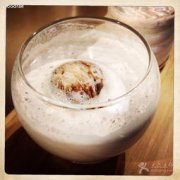
Coffee knowledge New Orleans iced coffee making method
Pour coffee powder and 40g of cicory powder into the soup pot. (chicory, roasted and ground, added coffee as flavor additive or substitute for coffee; cooked root can be served with cream, and pictures of chicory (20) leaves can be used as salad. Sometimes used for coloring, thickening and bitterness of coffee (as people in New Orleans often do).) Pour 2.7 liters of ice water into the pot, and then use

New Orleans Iced New Orleans Ice Coffee making method
Pour coffee powder and 40g of cicory powder into the soup pot. (chicory, roasted and ground, added coffee as flavor additive or substitute for coffee; cooked root can be served with cream, and pictures of chicory (20) leaves can be used as salad. Sometimes used for coloring, thickening and bitterness of coffee (as people in New Orleans often do).) Pour 2.7 liters of ice water into the pot, and then use

What are the "what" in the coffee?
What is caffeine? Caffeine is a substance found in the leaves, roots and fruits of 100 plants in nature. it is also a mixture of methylxanthine. Caffeine usually comes from coffee, dimethoate and tea. Caffeine is also used in energy drinks and drugs to treat colds and flu. Coffee and tea also contain other dimethylxanthine theophylline. Tea

Is there a fake Vietnamese coffee G7?
Follow the caf é (Wechat official account vdailycom) and found that there is a fake Vietnamese coffee G7 opened in the beautiful cafe. The date code on the packaging of the authentic product is dotted line, which means a large plastic bag, not a small bag of 16 grams, and there is a piece of Vietnamese paper in the big plastic bag. Zhongyuan Company of Vietnam, which produces G7 coffee, is one of the largest coffee companies in Vietnam, and its products are exported to several countries.
German history: substitute coffee
The "alternative coffee" that has been popular in history, as well as dandelion root, grape seed, lily root, barley flour and so on, is hard for people living in peaceful and affluent areas to imagine.
The characteristics of world-famous coffee from ten countries (worth collecting)
1. Italy: it is a kind of espresso in a small cup, which can be cooked and drunk quickly. People who have been in contact with the coffee for a long time can get used to its heavy taste. 2. France: the French prefer light coffee, which is generally made from moderately roasted and roughly ground coffee beans by soaking. I like to drink it with chicory root. 3. UK: coffee is usually put

I can't stand the stomach, but I can't quit the coffee addiction, and these methods can save you.
Professional coffee knowledge exchange more coffee bean information Please pay attention to coffee workshop (Wechat official account cafe_style) Coffee is a popular beverage around the world, but also has certain health benefits to the human body. It contains antioxidants, may be a major source of polyphenols in many diets, and it has been shown to reduce the risk of type 2 diabetes.

Aroma description of Coffee acidity and Alcohol Variety characteristics of Coffee production area treatment manor
The aroma of coffee describes the acidity and alcohol variety characteristics of the producing area. The manor introduces that the coffee is brown and powdered, and the coffee has a special aroma due to Maillard reaction during roasting, while counterfeit coffee has no or little such specific aroma. Density put the coffee powder to be tested in the test tube, add saturated sodium oxide solution, and vibrate.

German history: substitute coffee
Today, Germany is one of the countries that import the most coffee in the world. More than 1/4 of Vietnam's annual coffee exports are sent to Germany. But when it comes to Germany, we only think of sausages and beer, not coffee. This is because, in the 17th century, when coffee spread across Europe, Germany had few overseas colonies, unlike Britain and France.

Boutique coffee German "substitute coffee"
Today, Germany is one of the countries that import the most coffee in the world. More than 1/4 of Vietnam's annual coffee exports are sent to Germany. But when it comes to Germany, we only think of sausages and beer, not coffee. This is because, in the 17th century, when coffee spread across Europe, Germany had few overseas colonies, unlike Britain and France.
Historical substitute coffee in Germany
Coffee online Ono column Today Germany is one of the countries that import the most coffee in the world. More than 1/4 of Vietnam's annual coffee exports are sent to Germany. But when it comes to Germany, we only think of sausages and beer, not coffee. This is because, in the 17th century, when coffee spread across Europe, Germany had almost no overseas colonization.

How to tell the authenticity of Vietnamese G7 coffee, a brief introduction of Vietnamese G7 coffee
Follow the caf é (Wechat official account vdailycom) found that the beautiful cafe opened a small shop Vietnam G7 coffee how to distinguish between true and false (1) sensory examination of the coffee as brown powder, due to the Maillard reaction occurred during roasting to make the coffee has a special aroma, while counterfeit coffee, there is little or no such specific aroma. (2) Coffee powder to be tested by density test

Coffee Common sense German History of "substitute Coffee"
Today, Germany is one of the countries that import the most coffee in the world. More than 1/4 of Vietnam's annual coffee exports are sent to Germany. But when it comes to Germany, we only think of sausages and beer, not coffee. This is because, in the 17th century, when coffee spread across Europe, Germany had few overseas colonies, unlike Britain and France.

The History of "substitute Coffee" in Germany
Today, Germany is one of the countries that import the most coffee in the world. More than 1/4 of Vietnam's annual coffee exports are sent to Germany. But when it comes to Germany, we only think of sausages and beer, not coffee. This is because, in the 17th century, when coffee spread across Europe, Germany had few overseas colonies, unlike Britain and France.

Historical substitute Coffee of Fine Coffee in Germany
Today, Germany is one of the countries that import the most coffee in the world. More than 1/4 of Vietnam's annual coffee exports are sent to Germany. But when it comes to Germany, we only think of sausages and beer, not coffee. This is because, in the 17th century, when coffee spread across Europe, Germany had few overseas colonies.
Different coffee cultures around the world
People in Arab countries like to drink small cups of sweet coffee. Second, at breakfast in France, the French like to drink coffee in a bowl and make a fragrance with chicory roots. The French generally prefer lighter coffee than the Italians. This kind of coffee is generally made from moderately roasted and coarsely ground coffee beans by soaking. III. The Netherlands